
Aneurysm Symptoms and Treatment: Early Warning Signs, Diagnosis and Care
An aneurysm is a serious medical condition in which a blood vessel wall weakens and bulges outward. If left untreated, it may rupture and cause life-threatening complications such as internal bleeding or stroke. Therefore, recognizing early symptoms and seeking timely treatment is essential for preventing severe outcomes.
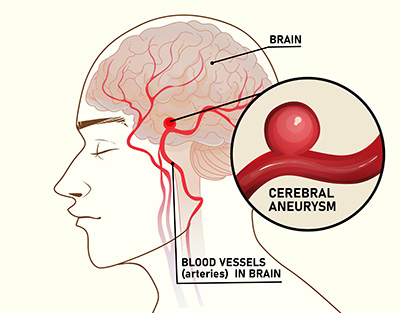
Understanding Aneurysm
An aneurysm occurs when the wall of an artery weakens and begins to bulge. This condition can develop in various parts of the body, including the brain, abdomen, and chest. The most common types include cerebral aneurysm and abdominal aortic aneurysm.
Although some aneurysms remain stable for years, others grow larger over time. As a result, the risk of rupture increases, making early diagnosis and monitoring crucial.
Common Symptoms of Aneurysm
In many cases, aneurysms do not show symptoms until they enlarge or rupture. However, certain warning signs may appear depending on the location and severity.
- Severe and sudden headache, often described as the worst headache ever
- Blurred or double vision
- Neck pain or stiffness
- Difficulty speaking or understanding speech
- Dizziness, confusion, or loss of consciousness
- Chest or abdominal pain in some cases
Causes and Risk Factors
Several factors contribute to the development of aneurysms. While some individuals may have a genetic predisposition, lifestyle and medical conditions also play a major role.
- High blood pressure
- Smoking and alcohol consumption
- Atherosclerosis (hardening of arteries)
- Family history of aneurysm
- Ageing and weakened blood vessels
Diagnosis of Aneurysm
Doctors use advanced imaging techniques to detect aneurysms and assess their size and location. Early diagnosis allows proper monitoring and reduces the risk of complications.
Common diagnostic tests include CT scan, MRI, and angiography. These tests help doctors determine whether immediate treatment is required or if regular observation is sufficient.
Treatment Options for Aneurysm
Treatment depends on the size, location, and risk of rupture. Doctors carefully evaluate each case before deciding the best approach.
Monitoring and Medication
Small aneurysms that are not causing symptoms may only require regular monitoring. Doctors may also prescribe medications to control blood pressure and reduce stress on blood vessels.
Surgical Clipping
In this procedure, a surgeon places a small clip at the base of the aneurysm to stop blood flow into the bulging area. This prevents rupture and protects surrounding tissues.
Endovascular Coiling
Endovascular coiling is a minimally invasive procedure. Doctors insert a catheter through the blood vessels and place coils inside the aneurysm. These coils help block blood flow and reduce rupture risk.
Recovery and Lifestyle Changes
Recovery varies depending on treatment type and severity. However, adopting a healthy lifestyle plays a vital role in preventing further complications.
Patients should maintain healthy blood pressure, avoid smoking, follow a balanced diet, and attend regular follow-up appointments for monitoring.
Risks and Complications
Untreated aneurysms may rupture, leading to severe internal bleeding, stroke, or even death. Even after treatment, complications such as infection or recurrence may occur. Therefore, continuous medical supervision is essential.
Frequently Asked Questions
Can an aneurysm heal on its own?
Most aneurysms do not heal naturally. They require monitoring or medical treatment depending on severity.
Is aneurysm always dangerous?
Not all aneurysms are immediately dangerous. However, larger or growing aneurysms carry a higher risk of rupture.
How can I reduce my risk?
Maintaining healthy blood pressure, quitting smoking, and regular health check-ups help reduce the risk.