
Scoliosis Treatment Options: Managing Spine Curvature Effectively
Scoliosis is a condition where the spine curves sideways, affecting posture and overall health. Early diagnosis and proper treatment help control progression and improve quality of life. Doctors recommend treatment based on age, severity, and symptoms.
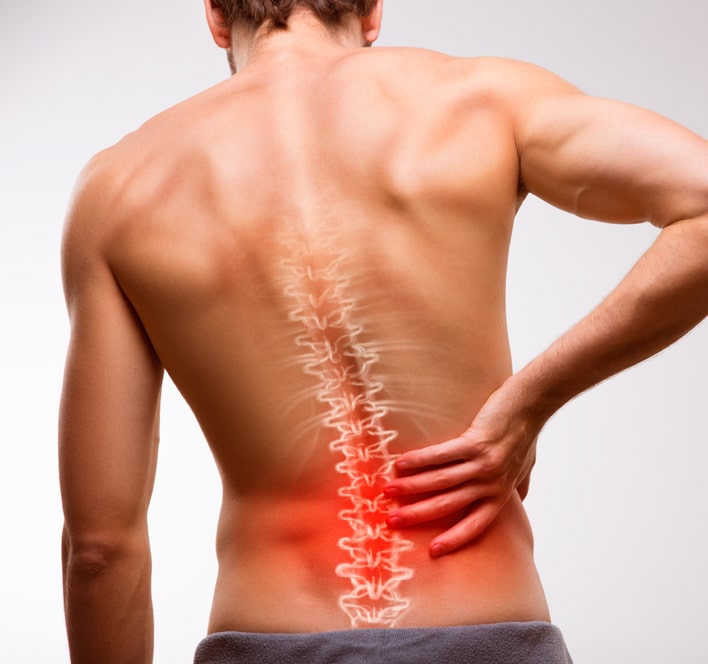
Types of Scoliosis
- Idiopathic scoliosis (most common)
- Congenital scoliosis
- Neuromuscular scoliosis
Symptoms of Scoliosis
- Uneven shoulders or hips
- Visible spine curvature
- Back pain
- Difficulty maintaining posture
Scoliosis Treatment Options
Observation
Doctors monitor mild cases regularly to track progression without immediate intervention.
Bracing
Doctors recommend braces for growing children to prevent worsening of spinal curvature.
Physiotherapy
Physiotherapists provide exercises to strengthen muscles and improve posture.
Medications
Doctors prescribe medications to manage pain and discomfort.
Surgery
Surgeons perform spinal fusion or corrective procedures in severe cases.
Benefits of Treatment
- Improves posture
- Reduces pain and discomfort
- Prevents progression
- Enhances quality of life
When Should You See a Doctor?
- Noticeable spine curvature
- Back pain or discomfort
- Uneven shoulders or hips
- Progressive changes in posture
Frequently Asked Questions
Can scoliosis be treated without surgery?
Yes, mild to moderate cases can be managed with bracing and physiotherapy.
Is surgery always required?
No, doctors recommend surgery only in severe or progressive cases.
Can scoliosis improve with age?
In some cases, mild scoliosis remains stable, but monitoring is necessary.