
Traumatic Brain Injury Care: Emergency Treatment & Recovery Guide
Traumatic brain injury (TBI) care involves immediate medical attention, ongoing monitoring, and structured rehabilitation to restore brain function. TBIs can range from mild concussions to severe brain injuries that affect memory, movement, and behavior. Early diagnosis and proper care improve survival and recovery outcomes.
Immediate Care for Traumatic Brain Injury
Emergency Stabilization
Doctors ensure proper oxygen supply, stabilize vital signs, and control bleeding to prevent further brain injury.
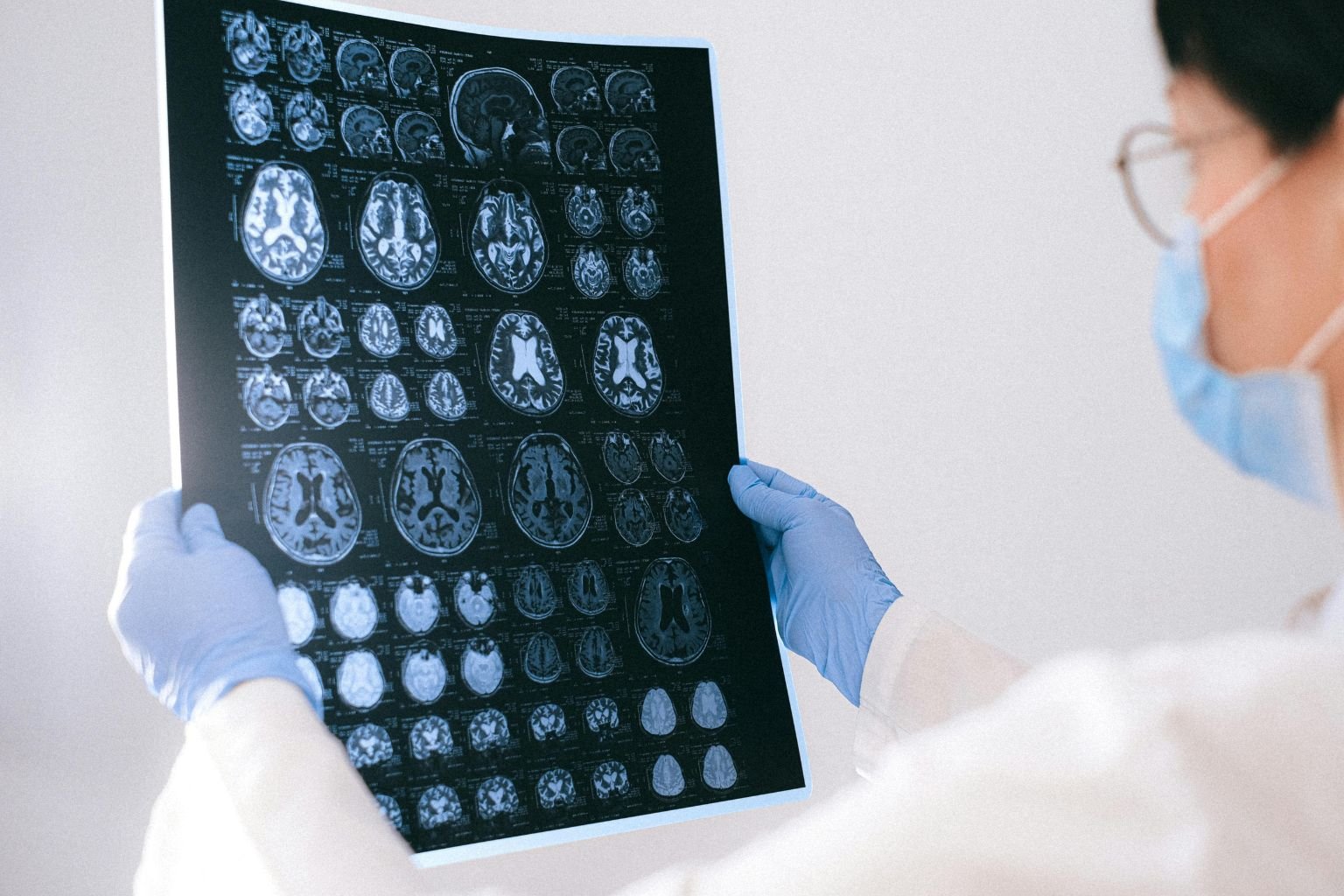
Diagnostic Evaluation
CT scans or MRI help identify brain swelling, bleeding, or structural damage.
Medications
Doctors use medications to reduce brain swelling, prevent seizures, and manage pain.
Advanced Treatment Options
Surgery
Surgeons may remove blood clots, repair skull fractures, or relieve pressure on the brain in severe cases.
Intensive Care Monitoring
Patients with severe injuries require close monitoring in an intensive care unit (ICU).
Rehabilitation After TBI
Physiotherapy
Helps restore movement, strength, and coordination.
Occupational Therapy
Assists patients in regaining daily living skills and independence.
Speech and Cognitive Therapy
Helps improve communication, memory, and thinking abilities.
Long-Term Care and Support
Long-term care focuses on improving quality of life. Family support, regular follow-ups, and lifestyle changes such as a healthy diet and avoiding risky activities are essential for recovery.
Benefits of Proper TBI Care
- Reduces brain damage
- Improves recovery outcomes
- Restores physical and cognitive function
- Enhances quality of life
Frequently Asked Questions
Is traumatic brain injury serious?
Yes, it can be life-threatening if not treated promptly.
How long does recovery take?
Recovery varies depending on injury severity, but rehabilitation can take weeks to months.
Can patients fully recover?
Many patients recover significantly with early and proper treatment, although outcomes vary.