
Minimally Invasive Spine Surgery: Advanced Treatment for Faster Recovery
Minimally invasive spine surgery (MISS) is an advanced technique used to treat spine conditions with smaller incisions and minimal tissue damage. Compared to traditional surgery, this approach reduces pain, shortens hospital stays, and speeds up recovery. Surgeons use specialized instruments and imaging technology to perform precise procedures.
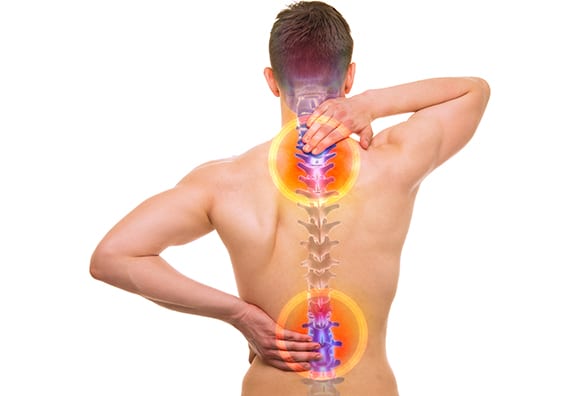
Conditions Treated with Minimally Invasive Spine Surgery
- Herniated disc (slip disc)
- Spinal stenosis
- Sciatica and nerve compression
- Degenerative disc disease
- Spinal instability
Common Minimally Invasive Procedures
Microdiscectomy
Surgeons remove the damaged portion of the disc to relieve nerve pressure.
Endoscopic Spine Surgery
Doctors use a camera-guided technique to perform surgery through very small incisions.
Minimally Invasive Spinal Fusion
Surgeons stabilize the spine using smaller incisions and advanced tools.
Laminectomy
Doctors remove a small portion of bone to relieve pressure on nerves.
Benefits of Minimally Invasive Spine Surgery
- Smaller incisions
- Less pain and blood loss
- Faster recovery
- Shorter hospital stay
- Reduced risk of complications
Recovery After Surgery
Most patients recover quickly and return to normal activities within a few weeks. Following medical advice and physiotherapy ensures better results.
Frequently Asked Questions
Is minimally invasive spine surgery safe?
Yes, experienced surgeons perform these procedures safely using advanced techniques.
Who is a candidate for MISS?
Patients with specific spine conditions who do not respond to conservative treatment may benefit.
How long does recovery take?
Recovery is usually faster than traditional surgery, often within a few weeks.