
Sciatica Pain Relief: Effective Treatment for Nerve Pain & Recovery
Sciatica pain occurs when the sciatic nerve becomes compressed or irritated, causing pain that radiates from the lower back to the legs. Proper treatment helps relieve pain, improve mobility, and prevent recurrence. Early care ensures faster recovery and better outcomes.
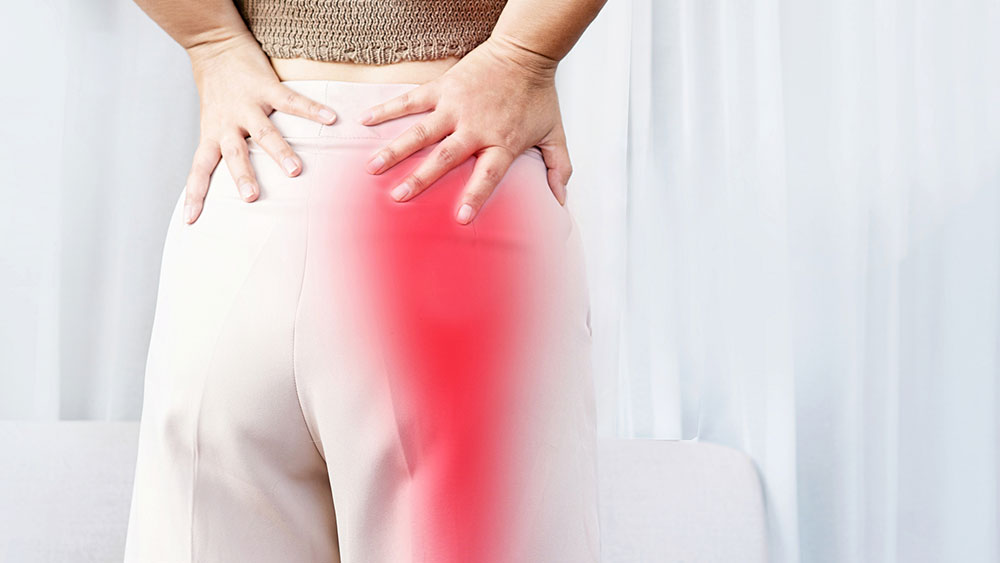
Common Causes of Sciatica
- Herniated or slipped disc
- Spinal stenosis
- Muscle tightness or injury
- Poor posture
- Prolonged sitting
Symptoms of Sciatica
- Pain radiating from lower back to leg
- Numbness or tingling
- Muscle weakness
- Sharp or burning pain
Sciatica Pain Relief Options
Medications
Doctors prescribe pain relievers, anti-inflammatory drugs, and nerve pain medications.
Physiotherapy
Physiotherapists guide stretching and strengthening exercises to relieve nerve pressure.
Hot and Cold Therapy
Applying heat or ice helps reduce pain and inflammation.
Lifestyle Changes
Maintaining proper posture, regular exercise, and avoiding prolonged sitting help manage symptoms.
Injections
Specialists use steroid injections to reduce inflammation and provide pain relief.
When Should You See a Doctor?
- Pain persists for several weeks
- Severe or worsening symptoms
- Weakness or numbness in legs
- Difficulty walking or standing
Benefits of Early Treatment
- Relieves pain and discomfort
- Improves mobility
- Prevents complications
- Enhances quality of life
Frequently Asked Questions
Can sciatica go away on its own?
Mild cases may improve with rest and care, but persistent pain requires medical evaluation.
Is surgery necessary?
Most cases do not require surgery and improve with non-surgical treatments.
How long does recovery take?
Recovery varies, but many patients improve within weeks with proper treatment.