
Spinal Stenosis Treatment: Effective Options for Pain Relief & Mobility
Spinal stenosis treatment focuses on relieving pressure on the spinal cord and nerves caused by narrowing of the spinal canal. This condition commonly affects the neck or lower back and can lead to pain, numbness, and difficulty walking. Early diagnosis and proper treatment help manage symptoms and improve quality of life.
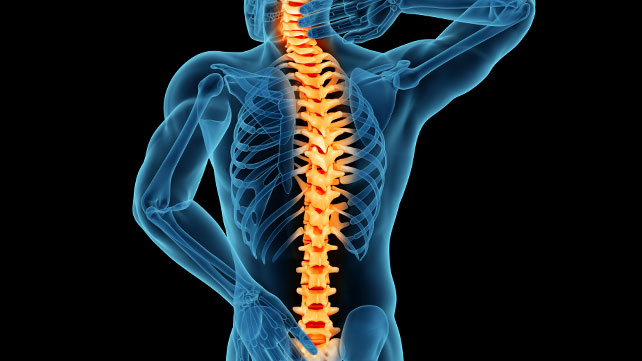
Non-Surgical Treatment Options
Medications
Doctors prescribe pain relievers, anti-inflammatory drugs, and muscle relaxants to reduce pain and inflammation.
Physiotherapy
Physiotherapists guide exercises to strengthen muscles, improve flexibility, and reduce pressure on nerves.
Lifestyle Modifications
Maintaining proper posture, staying active, and avoiding prolonged standing help manage symptoms.
Assistive Devices
Using supports such as braces or walking aids can improve stability and reduce discomfort.
Advanced Treatment Options
Injections
Specialists use steroid injections to reduce inflammation and relieve nerve pressure when medications are not enough.
Minimally Invasive Spine Surgery
Doctors use advanced techniques with smaller incisions to relieve compression and promote faster recovery.
Surgery
Surgeons perform procedures such as laminectomy or spinal fusion to create space in the spinal canal and stabilize the spine.
When is Surgery Required?
- Severe or worsening symptoms
- Difficulty walking or standing
- Progressive weakness or numbness
- Failure of non-surgical treatments
Benefits of Early Treatment
- Relieves nerve pressure
- Reduces pain and discomfort
- Improves mobility
- Enhances quality of life
Recovery and Rehabilitation
Recovery depends on the treatment approach. Physiotherapy and regular follow-up help restore strength and prevent recurrence. Patients often experience gradual improvement with proper care.
Frequently Asked Questions
Can spinal stenosis be treated without surgery?
Yes, many cases improve with medications, physiotherapy, and lifestyle changes.
How long does recovery take?
Recovery varies, but many patients improve within weeks to months.
Is spinal stenosis a permanent condition?
It can be managed effectively with proper treatment and lifestyle adjustments.