
Spinal Tumour Surgery: Treatment for Safe Tumor Removal & Recovery
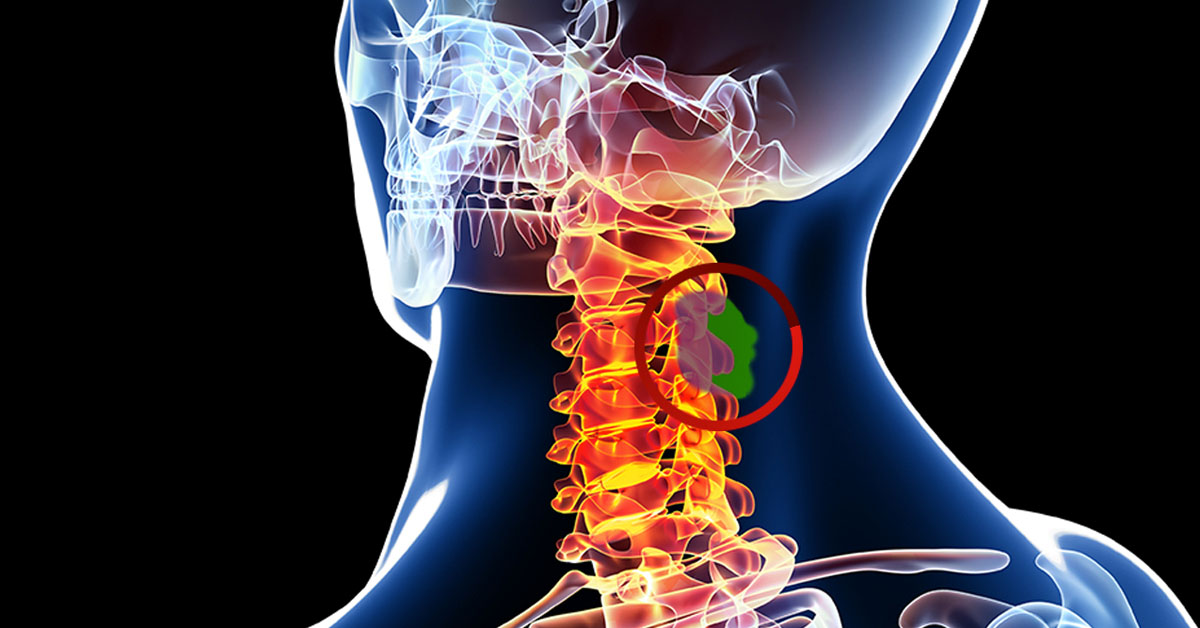
Spinal tumour surgery is a specialized procedure to remove tumors affecting the spinal cord or surrounding structures. These tumors can cause pain, weakness, and neurological symptoms due to pressure on nerves. Early diagnosis and timely surgery help prevent complications and improve recovery outcomes.
When is Spinal Tumour Surgery Required?
- Persistent back or neck pain
- Numbness or weakness in limbs
- Difficulty walking or balancing
- Loss of bladder or bowel control
- Tumor growth affecting spinal cord function
Types of Spinal Tumours
- Benign tumors (non-cancerous)
- Malignant tumors (cancerous)
- Primary spinal tumors
- Metastatic tumors (spread from other organs)
Surgical Techniques
Tumor Removal Surgery
Surgeons remove the tumor while preserving surrounding nerves and spinal structures.
Minimally Invasive Surgery
Doctors use advanced techniques with smaller incisions to reduce pain and speed up recovery.
Spinal Stabilization
Surgeons may use implants or fusion techniques to stabilize the spine after tumor removal.
Benefits of Surgery
- Relieves pressure on the spinal cord
- Reduces pain and neurological symptoms
- Prevents tumor progression
- Improves mobility and quality of life
Risks and Considerations
- Infection or bleeding
- Nerve damage
- Spinal instability
Recovery After Surgery
Recovery depends on the complexity of the surgery and patient condition. Physiotherapy and regular follow-ups help restore strength, mobility, and overall function.
Frequently Asked Questions
Is spinal tumour surgery safe?
Yes, experienced neurosurgeons perform these procedures using advanced technology to ensure safety.
How long does recovery take?
Recovery varies, but many patients improve within weeks to months with proper care.
Will surgery completely remove the tumor?
In many cases, surgeons remove the tumor completely, but treatment depends on tumor type and location.